I
The Timeless Thumri:
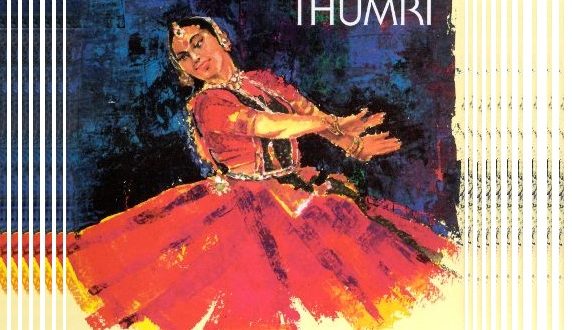
Thumri, as a musical genre, can be traced back to mid-15th century. It however, acquired a greater popularity and appeal in the court of Nawab Wajid Ali Shah/’Akhtar Piya’, Awadh during mid 19th century. The nawab, a singer, poet himself, composed the famous, ‘Babul mora naihar chooto hi jaye‘, (this was used in 1938 film, Street Singer, rendered by the great K.L Saigal)
Thumri, is essentially a semi-classical genre/form, with a high propensity of emotions/bhaavas, emanating from Shringar Rasa, (emotion of love). It has its allied/sub-genre forms, as Dadra, Jhoola, Kajri, Chaiti, Sawan and Hori, sung in ragas, like Bhairavi, Khamaj, Pilu, Gara, Kafi, set to taal, such as Dadara, Keharwa, Deepchandi, Teentaal and Adhataal; Often the lyrics of this style of singing is primarily based on the dialects of United province (present day Uttar Pradesh mainly, Purvi (Lucknow, Benaras) and Braj (Agra, Mathura) interspersed with Urdu.
The forced exile of the Nawab of Awadh, around 1850’s , also saw the dispersal of court- musicians too, with some of them following Nawab himself, to Calcutta, making it a centre of significant repository of Thumri singers. This tradition of Thumri singing, aligned itself with classical dance form of Kathak, established itself at Tawaif kothas, and subsequently was selectively portrayed, in the films. These ‘adapted’ traditional thumris, were sung beautifully by the likes of Begum Akhtar, Shobha Gurtu, Nirmala Devi, Rajkumari Dubey(1930’s) K.L Saigal( mid 1930’s), Malka Jan, Pt. Bhimsen Joshi, Girija Devi, Begum Parveen Sultana and many more. Some of the popular ones includes – ‘Bajuband khul khul jaye’; ‘Babul mora maihar chooto jaye’; ‘Piya bina nahi awat'(Devdas, 1935); ‘Kahe ko jhooti banao’,(rendered by Ustad Faiyaz Khan, later sung by Manna Dey in Manzil); ‘Ka karoon sajni aaye na balam( Ustad Bade Ghulam Ali Khan) and of course, ‘Hamari atariya pe aao sawariya'( sung by Shobha Gurtu, Begum Akhtar).
Unlike the broad and fluid contours of Khayal, with emphasis on unfolding a raga expressing a wide range of complex emotions, thumri restricts itself to expressing shringar by combining melody and words, straight into the emotional core of a composition, with great discretion. ”Khayal aims at achieving poise and splendour; thumri is quicksilver in tone and ardently romantic in spirit.”
In most of these songs, the instruments, used generally are Sarangi, Harmonium and Tabla. Also, in the percussion, is the use of ghunghroo, due to the Kathak element. In the last few decades, as a form of artistic experimentation, we heard Thumri, being played as a background music, especially in ”Mora Piya from Rajneeti”; “Ras ke bhare from Satyagraha”(incidentally both a product of Prakash Jha-Aadesh Srivastava duo).
Rekha Bharadwaj, rightly says, “After all Thumri has contributed to the greatness of leading artists like Begum Akhtar, Gauhar Jaan or even Siddheshwari Devi”. According to her the use of Thumri in films helps make it a personal give and take between the audience and the performer. “Close ups of styled expression rekindle the magic of small mehfils of the bygone era when patrons would really be at arm’s length. In an auditorium, we somehow lose that”. The good part is that it has survived all odds and is still considered as one of the best way love songs can be exhibited and bring out its own identity in spite of the fact that its language of lyrics are not typical like the regular songs, yet they are a winner at the end of the day”.
II
For many who found Rekha Bhardwaj’s rendition of the famous song, for the film Dedh Ishqiya(2014), beautiful, the original thumri version, sung by Shobha Gurtu(1925-2004) and later Begum Akhtar(1914-1974), would make it further superlative.
Hamari atariya pe, (immortal Bhairavi Dadra), a signature traditional thumri, in this series, is a popular captivating composition, based on an old thumri on Raag Sindhu Bhairavi. to an extent to witness multiple classic interpretations. Essentially, an erotic piece, with the theme/mood of ‘longing’, ‘insecurity’, ‘restlessness’, éxpectant wait’, ‘pathos’, ‘separation’, ‘passion’, ‘sublime desire”, ‘yearning’ and above all ‘love’, the composition, is a hallmark of sensuality and melancholy, with the rendezvous being limited to dekha-dekhi!
The lyrics, in this composition, a part of Begum Akhtar’s LP ‘Thumri, the music of love’ issued sometime in the late 60s, is essentially is an amalgam of traditional (probably Avadhi) and Urdu couplets.
III
Shobha Gurtu’s version:
हम तुम हैं भोले जग है ज़ुल्मी, प्रीत को पाप कहता है अधर्मी
जग हंसिहै, तुम ना हंसियो, तुम हंसियो तो जुलम भई जाए
हम तुम हैं भोले जग है ज़ुल्मी, प्रीत को पाप कहता है अधर्मी
जग हंसिहै, तुम न हंसियो, तुम हंसियो तो जुलम भई जाए
नैना मिल जइहैं नज़र लग जइहैं, सब दिन का झगड़ा खतम होइ जाए
(इस पूरी ठुमरी में बार- बार एक स्त्री की संवेदना और उसके प्रेम की गहराई का पता चल रहा है। बार- बार वो यह कहना चाह रही है कि मेरे प्यार पर भले ही यह दुनियाँ हँसती हो , पर जिस से वह प्यार करती है, अगर वही उसके प्रेम पर हँसे तो अनर्थ हो जाएगा। यह प्रेम में एक स्त्री की एकनिष्ठता को दिखलाता है, जहां उसे दुनियाँ की परवाह नहीं, लोगों की आलोचनाओं की परवाह नहीं, पर जिस व्यक्ति पर , जिस प्रिय पर उसका प्रेम आश्रित है ,उसके सोचने की और सम्मान की बस परवाह है। आज के संदर्भ में नारीवादी दृष्टि से अगर इस ठुमरी को देखा जाये तो , प्रेम में आत्मसम्मान और बराबरी के अधिकार को बड़े ही सहज और सुंदर अर्थों में दिखलाया गया है। यहाँ भाषा और परिवेश के एक खास तरह के प्रयोग से, भले ही ब्रज की संस्कृति में इन दो प्रेम करने वालों को स्थापित किया गया हो, पर इस ठुमरी के समसामयिक और आधुनिक अर्थों को अनदेखा नहीं किया जा सकता है। )
IV
Akhtar’s Version (Written by Sudarshan Fakir):
हमरी अटरिया पे आओ संवरिया, देखा-देखी बलम हो जाए
तसव्वुर में चले आते हो कुछ बातें भी होती हैं
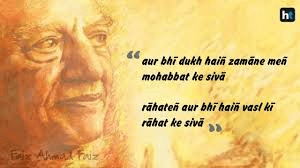
शब-ए-फुरक़त भी होती है, मुलाक़ातें भी होती हैं
हमरी अटरिया पे
प्रेम की भिक्षा मांगे भिखारन, लाज हमारी रखियो साजन
आओ सजन तुम हमरे द्वारे, सारा झगड़ा खतम होइ जाए
हमरी अटरिया पे
तुम्हारी याद आंसू बनकर आई चश्म-ए-वीरां में
ज़हे-क़िस्मत के वीरानों में बरसातें भी होती हैं
हमरी अटरिया पे
(बेग़म अख्तर की गायी हुई इस ठुमरी की मूल संवेदना में फिर से एक स्त्री को केंद्र में रखते हुए प्रेम की परिभाषा को गढ़ा गया है। ऊपरी तौर पर इसे पढ़ते हुए ऐसा लगता है मानों यह स्त्री अपने प्रिय से प्रेम का निवेदन कर रही है, और भिक्षा मांगने का जो पूरा भाव इसमें लाया गया है वह यह सिद्ध भी करता है। पर थोड़ा गहरे में उतरते हुए अगर इस पूरी ठुमरी का विवेचन करें तो हम पाएंगे कि भले ही अपने प्रिय से यह स्त्री प्रेम की भिक्षा मांग रही है पर वह उसके द्वार पर नहीं जा रही, बल्कि यह निवेदन भी वह अपने प्रिय से कर रही है कि अगर जो उसका वह प्रियतम उसके द्वार पर आ जाए तो सारे राग-द्वेष खत्म हो जाएंगे । तो देखा जाए तो जिस agency की बात हम प्रेम में स्त्रियों के लिए आज करते हैं, वह इस ठुमरी में दिखाई पड़ रहा है, जहां पहल करने की, झगड़े सुलझाने की कोशिश की अपेक्षा एक पुरुष से की जा रही है। )
V
Rekha Bhardwaj with Ustad Rashid Khan, MTV Unplugged Season 7
Rekha’s Version (Written by Gulzar)
सज के सजाएं बैठी सांस में बुलाये बैठी कहाँ गुम हुआ अंजाना
अरे दिए रे जलाए रे जलाये ना अटरिया पे आया परवाना
कौन सा तन हाय, भरमाए रे ,
हमरी अटरिया पे, आजा रे साँवरिया, देखा देखी तनिक हुई जाए
किवड़िया से लग के पिया, करे झाँका झाँकी
बहुत कौड़ी फेंके पिया, उड़ावे जहां की, कसम देवे जान की
आजा गिलौरी, खिलाय दूं किमामी, लाली पे लाली तनिक हुई जाए
पड़ोसन के घरवा जैहो, जैहो ना साँवरिया
सौतन सपोली मोरी, काटे जेहेरिया, जेहेरी नज़रिया
आजा अटरिया पे पिलाय दूं अंगूरी जोर जोरी तनिक हुई जाए
साजने लगाए बैठी चुटिया घुमाये बैठी कहाँ गुम हुआ अनजाना।
(इस ठुमरी के बोल, जो कि गुलज़ार ने लिखे हैं, उसमें बहुत सारे भाव को एक साथ समेटने की कोशिश की गयी है। मसलन, यहाँ एक स्त्री की आंतरिक मनोदशा का पता चलता है, जब वह अपने प्रिय को किसी और स्त्री के साथ नहीं देख सकती। भारतीय परंपरा में स्त्रियों से तो एकनिष्ठ प्रेम की अपेक्षा की जाती है, पर पुरुष एक से अधिक स्त्रियों से प्रेम करने और विवाह करने के लिए स्वतंत्र माने गए हैं। धार्मिक संदर्भों में भी, हम कृष्ण की 16000 रानियों , पटरानियों का ज़िक्र सुनते हैं, पर पार्वती अनंत जन्मों से सिर्फ शिव को ही पति मानती चली आती हैं, तपस्या करती हुई। इसीलिए, इस ठुमरी में भी अपने प्रिय के दूसरी स्त्री के साथ सम्बन्धों को बड़े ही आसानी से स्वीकार करते हुए दिखलाया गया है। वह सौतन जो स्वयं भी एक स्त्री है, इस स्त्री के भय और जलन का कारण बनी हुई है। सौतन की परिकल्पना यहाँ साँप के रूपक से की गयी है, जो जहरीली है और जो प्रिय को इस स्त्री से छीन लेगी। स्त्रियों के अंतर्जगत का बड़ा सूक्ष्म विश्लेषण इस ठुमरी में चंद शब्दों के माध्यम से कर दिया गया है। एक सामंती समाज की यह विडम्बना , जहां पर दो स्त्रियाँ एक प्रिय पुरुष के प्रेम के लिए, मानसिक संघर्ष और अवसाद से जूझ रही हैं, इस ठुमरी के मुख्य स्वर को दिखलाता है। )
While Rekha’s mature, earthy, rustic voice holds to her own; Begum Akhtar’s sophisticated rendition in her soulful voice, interspersed by sarangi interludes is beyond impactful. In fact, the appeal of Begum’s technique and style, the hypnotic quality of her voice remained unrivalled, even in the popularity of this composition, essentially because her craftsmanship had its moorings in the tradition of pure classicism. The slight but impactful difference in mukhda, is nuanced, for in Akhtar’s version, it goes, ”Hamari atariya pe aao sanwariya dekha dekhi balam hui jaaye; while for Rekha and Shobha Gurtu, it is ‘Hamari atariya pe aaja re sanwariya dekha dekhi tanik hui jaaye’.
A significant feature of the version of Akhtar, is that after the ‘mukhda’ ( or ‘sthayi’ in the Hindustani classical music parlance), the first antara is a she’r (couplet) followed by the antara probably in Avadhi, again followed by another she’r. The antara in Avadhi is repeated at the end of the song. Perhaps, Akhtar, a ghazal singer and composer, improvised the rendition by adding the couplet(for the writers are not known, yet).
Interestingly, sharing an interesting trivia attached to this Bhairavi Dadra, Rita Ganguly, in her book: “Ae Mohabbat..Reminiscing Begum Akhtar”, 2008, Stellar Publication, writes, how Akhtar sang this stimulating song, an apt prelude, during former Pakistan’s premier Zulfiqar Ali Bhutto’s visit for the signing of Simla Agreement in July 1972.
The writer says Begum, who was staying with her in Delhi at that time, was looking for a perfect song for the occasion. And one day she got it from none other than Ganguly’s washerwoman Goga.
“She was looking for a happy composition since most of the beautiful lyrics depict the state of separation. One day I asked Goga to sing for Ammi. She started singing a song for her and swung her hips. Right there and then, Ammi picked up the song, reorganised the text, and sang it for the grand occasion,” the book says. The programme was so stimulating that Bhutto made a personal request if he could meet Begum. He did and told her, “The way you have sung so beautifully, God willing things would work out.” India and Pakistan later signed the treaty.
Indeed, as the song goes- ” Come to my doorstep, oh dear, and see you face to face… Come over, all the differences would be resolved..”
Ironically, Akhtar herself, remarked once, “When people are happy listening to ghazals then why should I waste my time singing thumri?” But she did confess that at every mehfil, most requests came for her popular dadra,’ Chha rahi kaali ghata, jiya mora lehraye re‘.
The original was written by Sudarshan Fakir, So far as Gulzar’s work is concerned his contribution is limited to replacing ‘balam’ with tanik and there is no acknowledgemant of the original daadra.
VI
By Ustad Shujat Khan
Another classic adaptation is the rendition by Ustad Shujaat Khan of Imdadkhani Gharana, son of legendary sitar player Ustad Vilayat Khan. In his presentation for the Doordarshan, he sings the Shobha Gurtu’s version, with a sweet modulation, as an exemplary tribute to her.
It has retained its original flair and soothing element intact.
VII
By Madhubanti Bagchi:
At a time, when we re-discover and re-mix, many classics, this one stands apart. Lately, in the day and age of ”covers”, one of a refreshing attempt, taking the tradition forward, has been conceptualized and sung by Madhubanti Bagchi and it does rekindle the essence of its preceding classic renditions.
By Himani Kapoor
Himani Kapoor, an Indian singer sang this celebrated dadra based on raag Sindhi Bhairavi.




 ज़िन्दगीनामा
Leave a comment